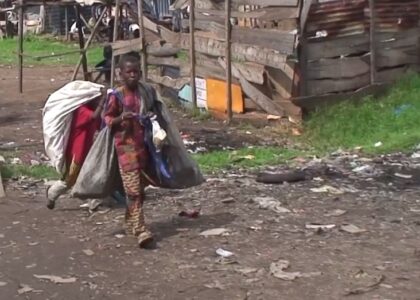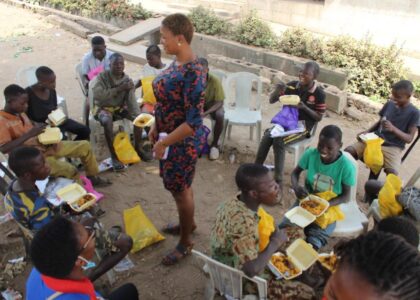

A vulnerable child is one who is at risk of harm, exploitation, neglect, or is living in conditions that hinder their full physical, emotional, social, and educational development. Recognizing vulnerability in children is critical for timely intervention and protection. Below are the main signs and conditions to help identify a vulnerable child:
1. Socio-Economic Indicators
Extreme poverty: Child lives in a household with no stable income, struggles to meet basic needs such as food, clothing, shelter, and medical care.
Child labor: Engaged in hawking, begging, domestic work, or other forms of child labor to support the family.
Lack of education: Out of school or attending irregularly due to inability to afford school fees, uniforms, or materials.
2. Family and Home Environment
Orphaned: Has lost one or both parents.
Neglect or abandonment: Lacks adult supervision, left to care for themselves or siblings, especially for long periods.
Domestic violence: Living in a home where there is abuse (physical, emotional, or sexual), drug use, or frequent conflict.
Separated or displaced: Living in an IDP camp, refugee camp, or in temporary housing due to disaster, conflict, or migration.
3. Health and Physical Indicators
Malnutrition: Underweight, stunted growth, visible signs of nutrient deficiency (e.g., swollen belly, dull skin).
Untreated illness: Persistent illnesses without access to healthcare or visible signs of untreated medical conditions.
Physical disabilities: Living with a physical or developmental disability without adequate care or support services.
4. Emotional and Behavioral Signs
Withdrawal or depression: Appears sad, fearful, or unusually quiet and isolated.
Aggression or defiance: Displays sudden aggressive or defiant behavior that is out of character.
Lack of trust in adults: Avoids contact with adults or appears overly anxious around authority figures.
Poor self-care: Appears consistently unkempt, dirty, or inappropriately dressed for the weather or setting.
5. Risk of Abuse and Exploitation
Sexual exploitation: Engaged in transactional sex or shows signs of sexual abuse or exploitation.
Trafficking or street life: Lives or works on the streets, or has been trafficked for labor or sex.
Early marriage or pregnancy: Especially among girls, early pregnancy or marriage often indicates vulnerability and limited protection.
6. Legal and Protection Concerns
Conflict with the law: In contact with the juvenile justice system without legal support.
Lack of legal identity: No birth certificate or documentation, affecting access to rights and services.
Unaccompanied minor: Traveling or living without a responsible adult, particularly across regions or borders.
7. Community and Environmental Factors
Unsafe living environment: Living in areas affected by violence, armed conflict, gang activity, or natural disasters.
Stigmatization and discrimination: Rejected by family or community due to ethnicity, religion, disability, or health status (e.g., HIV-positive children).
Isolation: Little to no social support, friendship, or connection to peers and positive adult figures.
Conclusion
Vulnerability in children is often in different ways, and a child may experience more than one of the above indicators simultaneously. Identifying a vulnerable child requires careful observation, empathy, and a holistic understanding of their environment. Once identified, such children should be referred to appropriate services — such as social welfare, child protection agencies, healthcare providers, or NGOs — to ensure their rights are protected and their needs are met.