

On Wednesday 14th January 2026, GSKi Nigeria held her first quarterly interactive session with parents of our scholarship beneficiaries at No. 3, Moferere Street, beside Agape Church, Ajilosun, Ado-Ekiti, Ekiti State. The session focused on the theme “Child Abuse” which aimed at strengthening parents’ understanding of child protection and children’s rights.
The interactive session, which commenced at about 10:45a.m was anchored by the Country Director, Mr. Soleye Akingbade. In his address, he highlighted the fundamental rights of every child, including the right to life, survival and development; the right to education; the right to protection from harm, abuse and exploitation; the right to express opinions and be heard; as well as the right to play and enjoy leisure time.
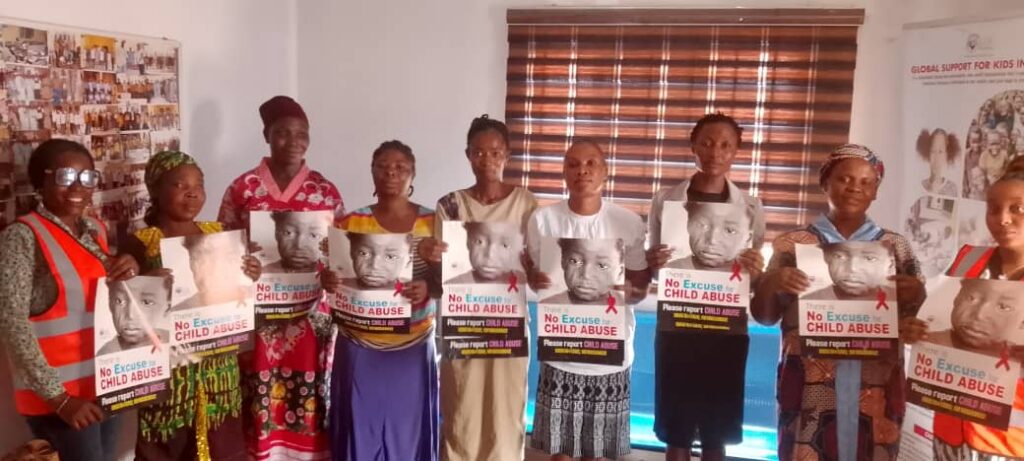
Mr. Akingbade further explained the four major categories of child abuse, namely physical abuse, which involves bodily harm or injury; emotional abuse, which causes psychological harm; neglect, which refers to the failure to provide adequate care; and sexual abuse, which involves exploitation or inappropriate contact.
He also outlined various forms of protection that should be provided for children. These include physical protection to keep them safe from harm; emotional protection to shield them from abuse, neglect and toxic environments; psychological protection to help build coping mechanisms and self-esteem; educational protection to ensure access to quality education; and legal protection to safeguard children’s rights through existing laws and policies.
During the session, the Country Director spoke on common signs of child abuse and practical steps parents can take to support survivors. Parents were encouraged to build strong bonds with their children by becoming their best friends and creating safe spaces for open communication. They were also reminded that support is always available and that they should not hesitate to reach out for help when necessary.
The session was highly interactive and educative, leaving the parents better informed and more empowered to protect and uphold the rights and well-being of their children.
They were encouraged to be Child Ambassadors wherever they find themselves, more importantly in their immediate communities.

Gski Admin
A dedicated member of the team working to improve the lives of vulnerable children through education, advocacy, and empowerment.
More posts by Gski Admin →
Leave a Reply